Venturewave Capital commentary
Rising costs put pressure on cash flow, customers and growth plans. For private capital investors, the response starts with understanding how each business is affected.
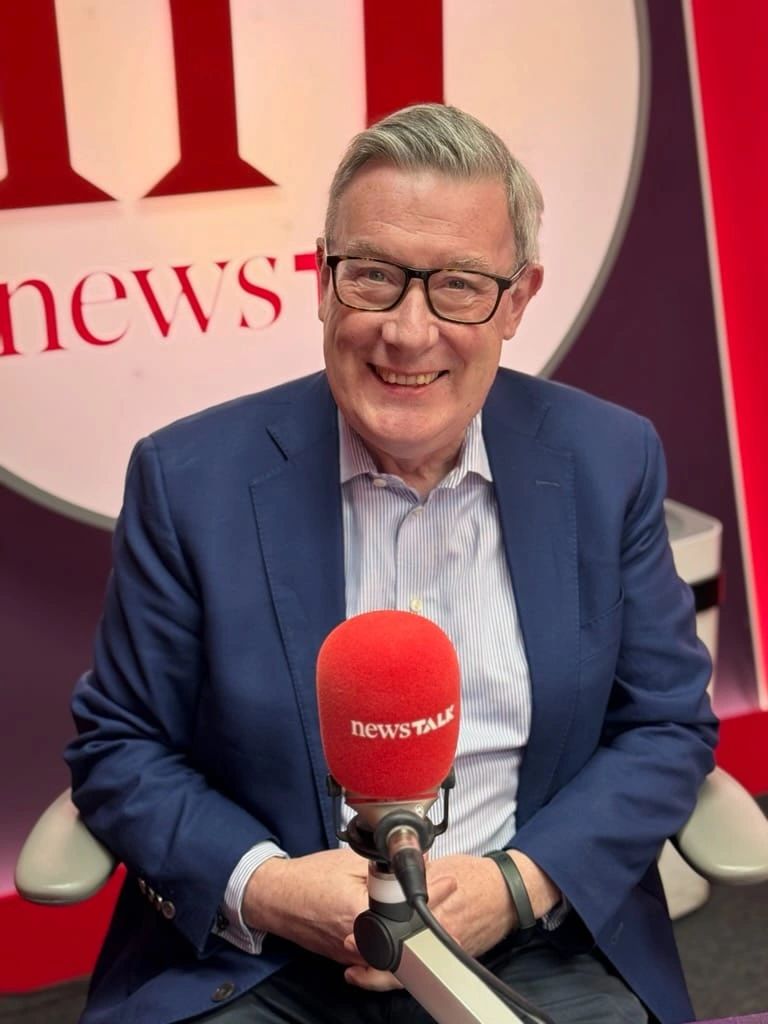
On 23 March 2026, Venturewave Capital Managing Partner Kieran McLoughlin joined Joe Lynam on Newstalk’s Breakfast Business to discuss private equity against the backdrop of a global energy shock.
Explaining Venturewave’s priorities, Kieran said:
The first and paramount is obviously to deliver for our investors, also society and Irish society in particular.
Listen to the interview on Apple Podcasts. Approximately eight minutes.
Higher energy prices can affect a company through its own operating costs and through customers with less to spend. For an investor, the practical question is how much pressure the business can absorb while continuing to serve its customers and fund its plans.
Start with how the shock reaches the business
An energy-intensive manufacturer and a software company will not experience the same shock in the same way. The manufacturer may face an immediate increase in production costs. A software company may be affected through customers delaying purchases or reducing budgets.
The timing matters. A business with a fixed-price energy contract may have time to prepare before renewal. Another may face higher costs before it can change its own prices. Even where demand holds up, that gap can put pressure on cash.
Useful questions include:
- When do energy and supplier contracts renew?
- How quickly can the business adjust prices, and what would that mean for demand?
- Could slower customer payments create a cash shortfall?
- Can the company fund essential operations and investment if higher costs persist?
The answers help distinguish a temporary disruption from a lasting change in the economics of the business.
A longer horizon still needs a workable plan
Private capital can give management teams time to make changes that take more than a quarter to deliver. An investor can also help with strategic decisions, recruitment, governance and commercial introductions.
But a long holding period does not protect a company from rising costs or weaker demand. Where a business borrows, financing costs and refinancing requirements matter too. Private investments can also be difficult to sell.
The Bank of England’s analysis of private equity makes a related distinction: long-term capital can support investment through a downturn, while leverage can increase exposure to tighter financing conditions.
The value of an investment partner therefore depends on the work done with management. That might involve reviewing spending, strengthening financial reporting or assessing an investment that could reduce operating costs. Each response needs a credible timetable and a clear understanding of the cash it requires.
A lower valuation is only part of the decision
Uncertainty may bring opportunities to invest at a lower price. It may also reduce a company’s expected earnings, delay its growth or increase the funding it needs.
A lower valuation does not, on its own, make an investment more attractive. The decision depends on whether the price adequately reflects the business’s prospects and risks.
The same discipline applies to an existing investment. Additional capital may support a worthwhile expansion or operational improvement. In other cases, preserving cash or revising the growth plan may be the more appropriate response.
Supporting Irish companies with international ambitions
Venturewave Capital works with founders through capital, strategic expertise and international networks. Its Impact Ireland funds focus on high-growth, mission-driven Irish technology companies.
For a growing company, the effects of an energy shock may extend beyond its home market. Different customer budgets, supply arrangements and operating costs can change the economics of international expansion. Management teams need to test those assumptions as conditions change.
A credible expansion plan needs to show what happens if sales arrive later, costs stay higher and the business needs more cash.
Listen to the conversation
Kieran McLoughlin on Breakfast Business with Joe Lynam, Newstalk.
Broadcast: 23 March 2026. Length: approximately eight minutes.